Unique Indexes And NULLs in PostgreSQL, MySQL & MariaDB
[Database, SQL Server, PostgreSQL, MySQL, MariaDB]
Yesterday’s post, “Creating A Unique Index That Allows NULL In SQL Server”, looked at how Microsoft SQL Server treats NULL values on columns with unique constraints, and how to get it to ignore NULLs for that purpose.
In this post, we will look at how PostgreSQL, MySQL, and MariaDB approach the problem.
PostgreSQL
We will use the same DDL:
CREATE TABLE spyagencies
    (
        spyagencyid INT          IDENTITY NOT NULL PRIMARY KEY,
        code        NVARCHAR(5)  NULL,
        name        NVARCHAR(50) NOT NULL
    );
GO
We then create our index:
CREATE UNIQUE INDEX uq_spies_code
    ON spyagencies(code)
Now, let us attempt to insert multiple NULL values.
INSERT spyagencies
    (
        Code,
        Name
    )
VALUES
    (
        N'KGB', N'Komitet gosudarstvennoĭ bezopasnosti'
    ),
    (
        NULL, 'Pakistani Intelligence'
    ),
    (
        NULL, 'National Intelligence Service'
    );
We succeed immediately.
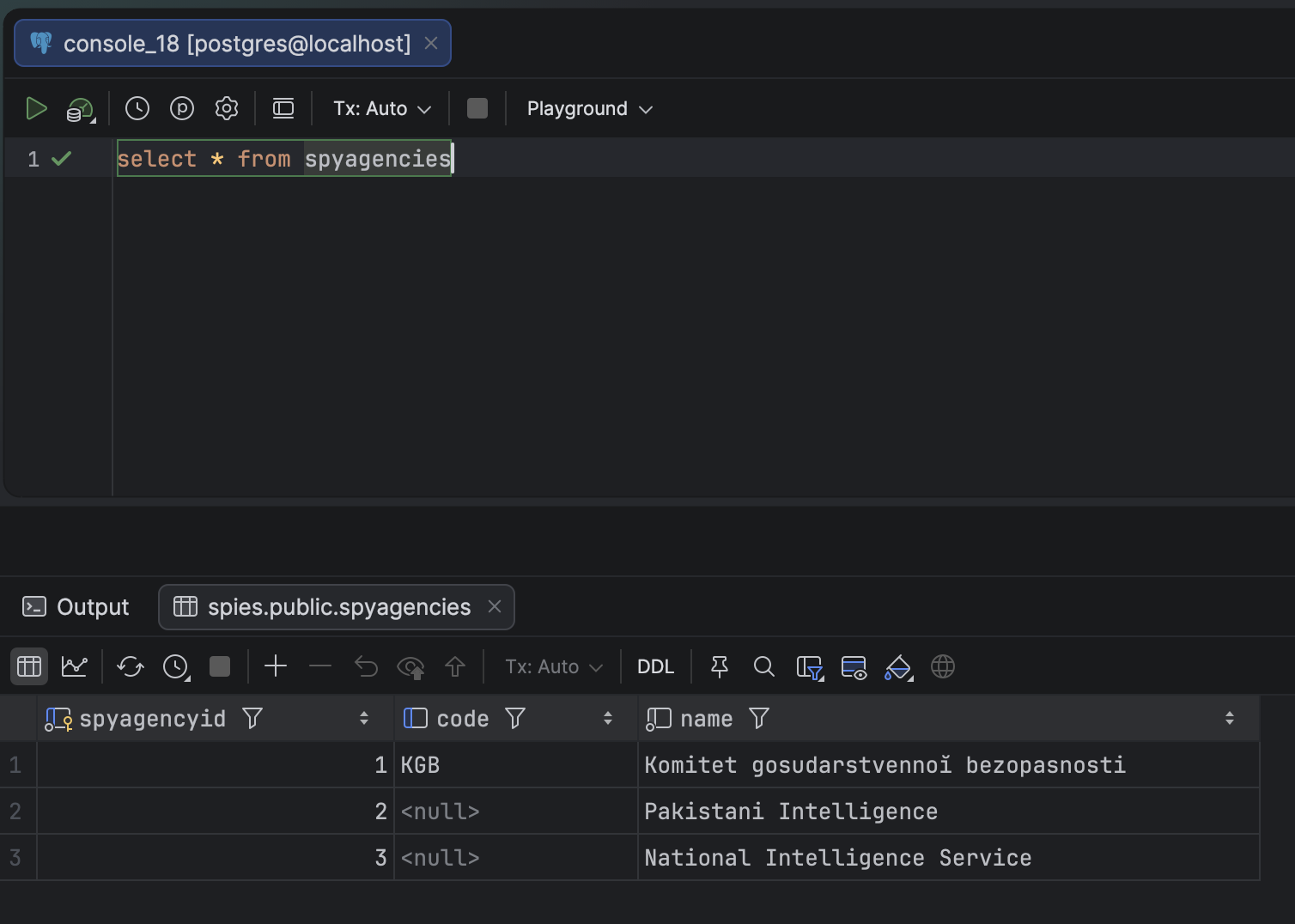
Which is to say, PostgreSQL does not consider NULL values as unique.
MySQL & MariaDB
The MySQL DDL is as follows:
CREATE TABLE spyagencies
(
    spyagencyid INT NOT NULL AUTO_INCREMENT PRIMARY KEY,
    code        VARCHAR(5) NULL,
    name        VARCHAR(50) NOT NULL
);
We then create our index.
CREATE UNIQUE INDEX uq_spies_code
    ON spyagencies(code)
Finally, we run our inserts:
INSERT spyagencies
    (
        code,
        name
    )
VALUES
    (
        N'KGB', N'Komitet gosudarstvennoĭ bezopasnosti'
    ),
    (
        NULL, 'Pakistani Intelligence'
    ),
    (
        NULL, 'National Intelligence Service'
    );
This also succeeds immediately.
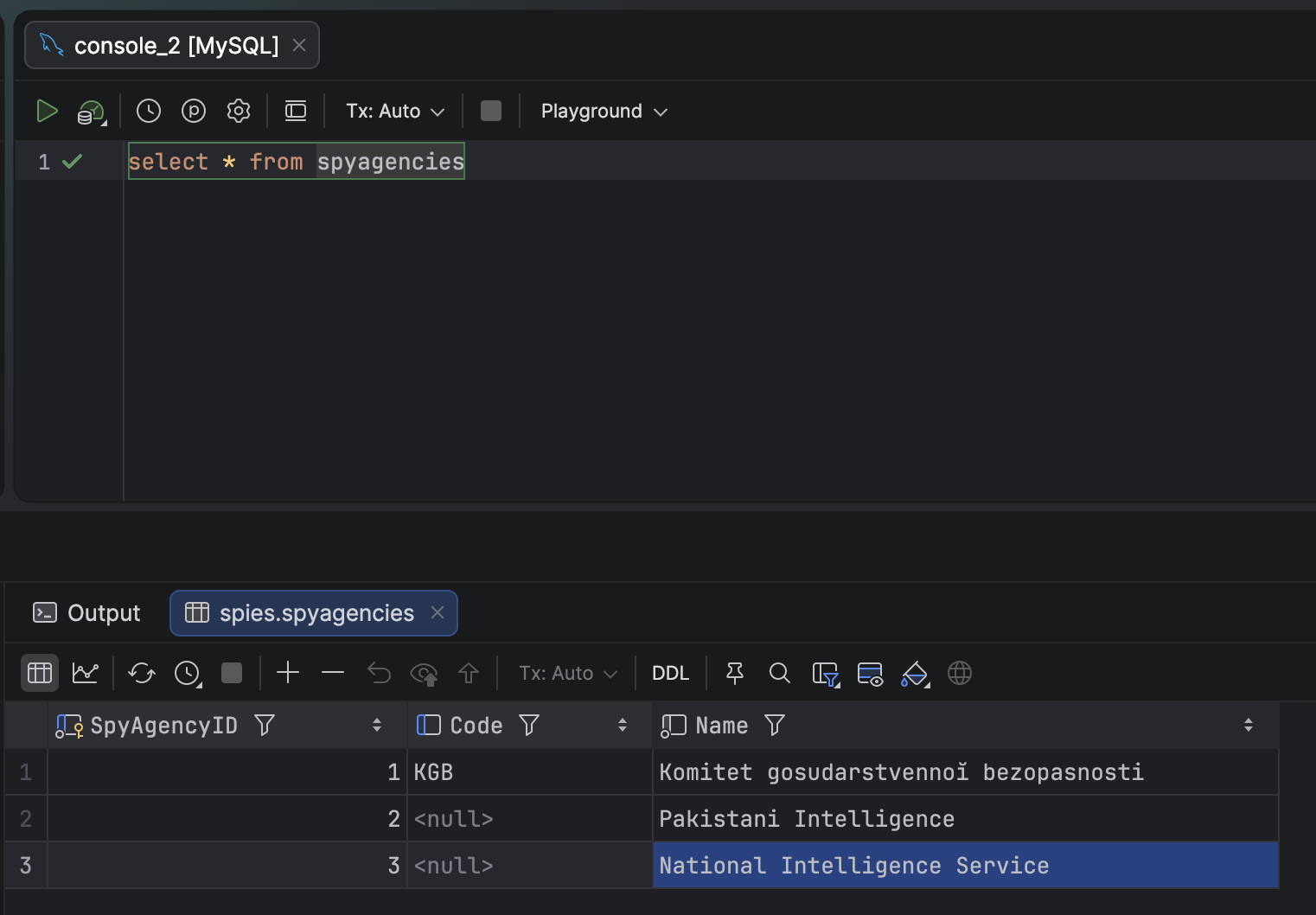
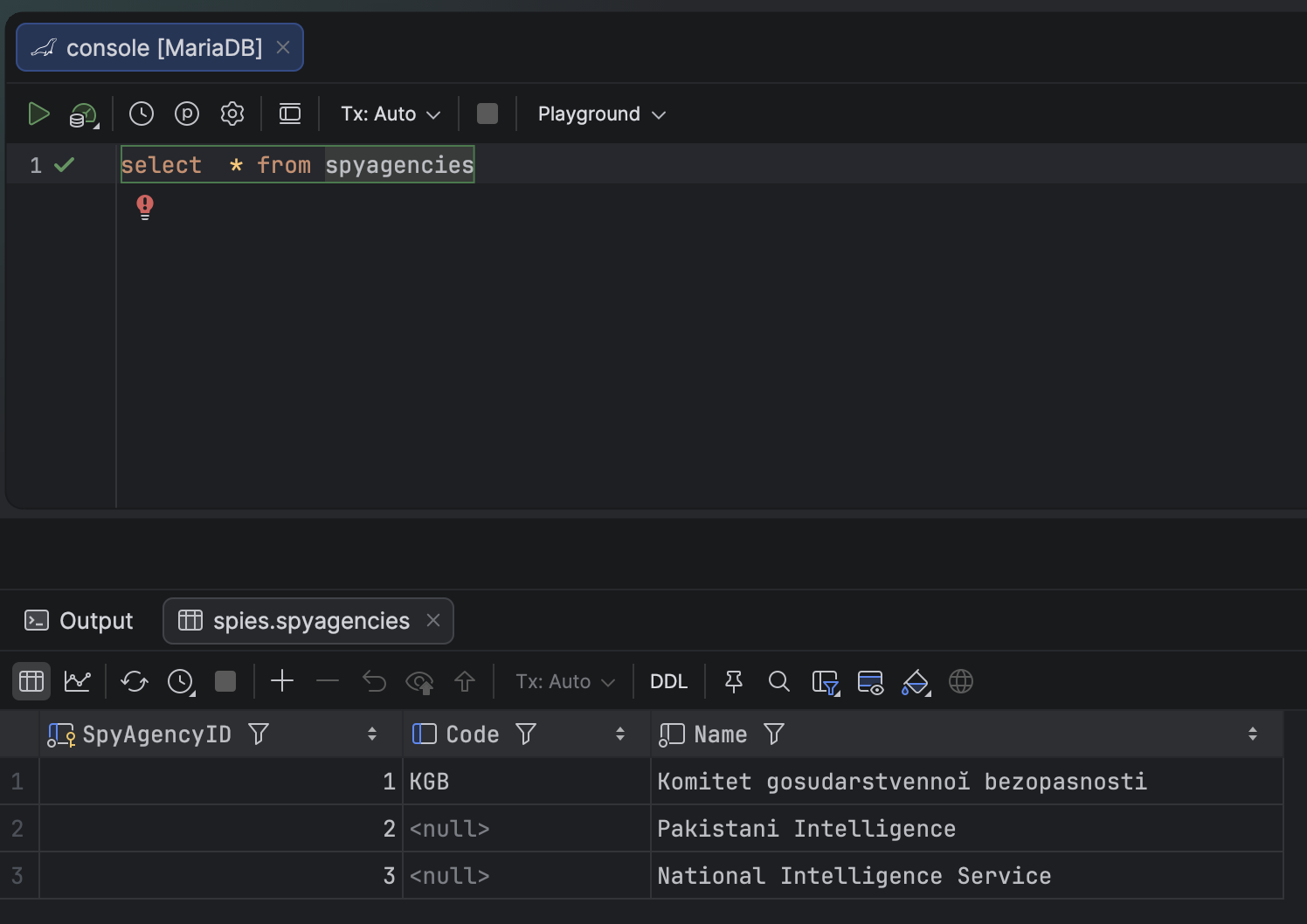
The same for MariaDB.
TLDR
MySQL and MariaDB do not consider multiple NULL values as a unique index violation, and thus, unlike SQL Server, do not require indexes to be filtered.
Happy hacking!